12001 N MacArthur Blvd., Oklahoma City, OK 73162

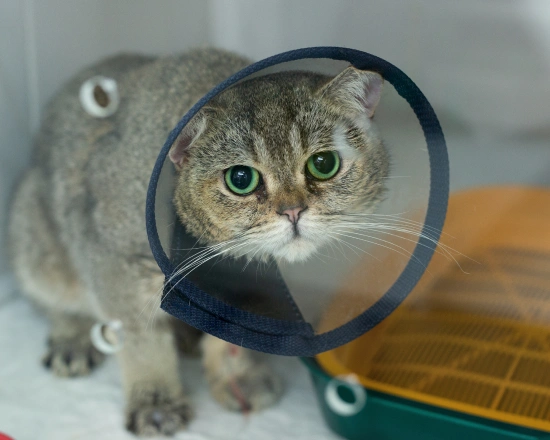
Compassionate Surgical Care for Your Cat
Hearing that your cat needs surgery can bring up a lot of questions, and at Warwick Animal Hospital, we want you to feel informed and confident before your cat's procedure. Our surgical suite is equipped to monitor vital signs and maintain body temperature throughout every surgery, and our team takes a careful, individualized approach with every feline patient we see in Oklahoma City. Below is an overview of what to expect before, during and after your cat's surgery.
Types of Surgery We Perform
We offer both soft tissue and orthopedic surgery for cats, covering a wide range of procedures.
Soft Tissue Surgery
Soft tissue procedures make up the majority of surgeries we perform on cats, including spays and neuters, mass and tumor removal, abscess treatment, exploratory abdominal surgery and removal of foreign objects, such as swallowed string or thread, which is a surgical emergency we see fairly often in cats.
Orthopedic Surgery
Orthopedic surgery addresses injuries and conditions affecting your cat's bones and joints. This most commonly includes fracture repair following trauma, such as a fall or being hit by a car, along with treatment for luxating patella or, in more serious cases, limb amputation when it offers your cat the best outcome.
What to Expect Before, During and After Surgery
Surgery involves several important steps, each designed to keep your cat as safe and comfortable as possible.
Anesthesia Safety and Pre-Surgical Bloodwork
Modern anesthetic monitoring has made surgery far safer than it once was. Before administering anesthesia, we perform a complete physical exam to check for fever or illness that could affect your cat's safety, and we adjust the type and amount of anesthetic based on your cat's individual health. Pre-surgical bloodwork is an essential part of this process, since it allows us to check liver and kidney function before anesthesia is given. Even a cat that appears perfectly healthy can have an underlying organ issue that only bloodwork can reveal. Older or ill cats may also need additional testing, such as an electrocardiogram or X-rays, before surgery.
Fasting Before Surgery
To reduce the risk of vomiting during and after anesthesia, cats need to have an empty stomach before surgery. We recommend withholding food for 8 to 10 hours beforehand, though water can be left available until the morning of the procedure.
Sutures and Incision Care
Many feline surgeries use absorbable sutures placed beneath the skin, which dissolve on their own and never need to be removed. Some procedures, including tumor removals, require visible skin sutures instead. Either way, you will need to monitor the incision site for swelling or discharge in the days following surgery. Skin sutures are typically removed 10 to 14 days after the procedure, and your cat's activity should be limited during recovery, with no bathing for at least 10 days.
Pain Management for Cats
Surgery causes pain in cats just as it would in people, even though cats rarely show it the way we might expect. Because cats cannot tolerate many common pain medications used in people or even in dogs, we rely on medications developed specifically with feline safety in mind. The right pain management plan depends on the procedure performed, and any cat showing signs of discomfort after surgery receives additional pain relief. Our goal is always to keep your cat as comfortable as possible throughout recovery.
Hospitalization and Recovery Monitoring
Some cats need to stay with us for hospitalization after surgery, particularly following more involved procedures like orthopedic repair or major soft tissue surgery. During this time, we monitor vital signs, manage pain and provide IV fluids as needed to support a smooth recovery before your cat goes home. The length of a hospital stay depends on the procedure and how your cat is recovering, and our team keeps you updated throughout.
Have Questions About Your Cat’s Upcoming Surgery?
We are always happy to talk through what to expect before your cat's procedure. Our team will confirm drop-off details the day before surgery and walk you through home care instructions at pickup, so you leave with a clear plan for recovery. Schedule a surgical consultation with Warwick Animal Hospital today.