12001 N MacArthur Blvd., Oklahoma City, OK 73162

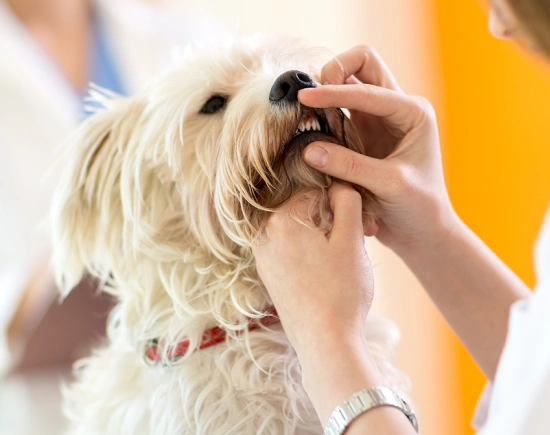
A Problem Hiding in Plain Sight
By the time most dogs reach three years old, they already show some sign of dental disease, yet it is one of the most overlooked areas of a dog's health. Dogs rarely show obvious discomfort even when their mouth is bothering them, which means dental problems tend to build quietly in the background. At Warwick Animal Hospital, dental care is a standard part of how we look after dogs throughout Oklahoma City, not an afterthought.
Signs That May Indicate Oral Problems
A few signs are worth paying attention to at home, even if your dog seems otherwise fine:
- Breath that smells noticeably worse than usual
- Yellow or brown buildup along the gumline
- Gums that look red, swollen or bleed easily
- Chewing on one side of the mouth, or dropping food
- Pawing at the face or rubbing the mouth against furniture
- A sudden disinterest in chew toys or hard treats
None of these signs are things to wait out. Dental disease tends to move in one direction without treatment, and catching it early keeps things simpler.
Why Skipping Dental Care Costs More Later
Ignoring dental disease does not just risk your dog's teeth. Bacteria from an infected mouth can enter the bloodstream and place ongoing stress on the heart, liver and kidneys, and a mouth full of pain can quietly affect a dog's appetite, mood and energy long before an owner connects the dots. Addressing dental health proactively is almost always simpler, and less expensive, than treating the downstream effects of years of untreated disease.
Your Dog’s Cleaning, Step by Step
A professional dental cleaning follows a careful process designed to keep your dog safe and address problems that go beyond what a visual exam can catch.
Pre-Anesthetic Bloodwork
Before anesthesia, we run bloodwork to confirm your dog's organs can safely handle the procedure and to catch any underlying issues ahead of time.
1
Scaling and Polishing
Once your dog is safely under anesthesia, we remove plaque and tartar from above and below the gumline, then polish the teeth to slow future buildup.
2
Full-Mouth Dental X-Rays
Much of canine dental disease develops below the gumline, invisible to the eye. X-rays let us evaluate the roots and surrounding bone structure to catch issues a visual exam would miss entirely.
3
Treatment of Any Problem Areas
If we find a fractured, infected or severely diseased tooth, we will discuss the findings with you and recommend treatment, which may include an extraction if it is the best option for your dog's comfort.
4
Small Breeds, Bigger Risk
Not every dog faces the same level of dental risk. Small and toy breeds, including Yorkies, Chihuahuas and Dachshunds, are especially prone to dental disease due to crowded teeth and a jaw structure that leaves less room for proper alignment. If you have a small-breed dog, more frequent dental checks and a proactive home care routine can make a meaningful difference.

Home Care That Actually Works
Professional cleanings matter, but daily habits at home help maintain progress between visits:
- Brushing several times a week with a dog-safe toothpaste
- Dental chews and treats formulated to reduce plaque
- Dental-specific diets for dogs with a history of heavy buildup
- Routine at-home mouth checks to catch changes early
Our team can help you build a home care routine that actually fits your dog's personality and your schedule, since consistency matters more than perfection.
Give Your Dog’s Mouth the Attention It Deserves
Dental disease is common, but it is also one of the most preventable health issues dogs face. Schedule a dental evaluation at Warwick Animal Hospital and let our team take a closer look.