12001 N MacArthur Blvd., Oklahoma City, OK 73162

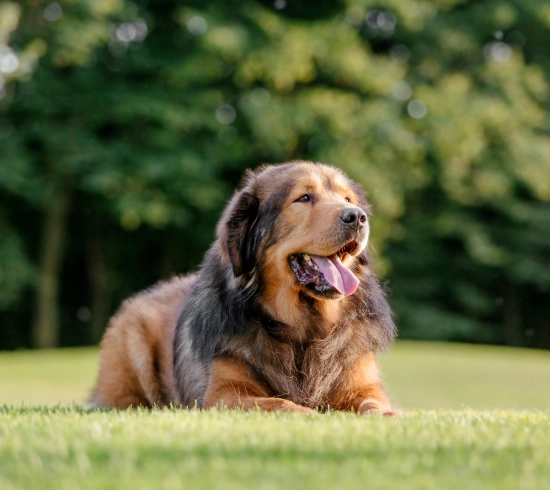
Helping Your Dog Stay Healthy Through the Senior Years
Slowing down is often treated as just a normal part of getting older, but many changes in senior dogs point to something we can actually help with. At Warwick Animal Hospital, we encourage every dog owner in Oklahoma City to bring even small changes to our attention, since catching a condition early almost always means simpler, more effective treatment. Senior wellness visits give our veterinarians a chance to look closely at what is really going on, rather than assuming it is just age.
Signs That Deserve a Closer Look
A few changes are worth mentioning at your dog's next visit, even if they seem minor on their own:
- Slower to rise, stiff after resting, or reluctant to climb stairs, which can point to joint pain rather than simple tiredness
- Increased thirst or urination, which can be an early sign of kidney disease or diabetes
- Noticeable weight loss or gain, either of which can signal an underlying health change
- New confusion, disorientation or changes in sleep patterns, which may point to cognitive decline
- Lumps, bumps or growths that are new or changing in size
- Reduced interest in food, play or normal routines
Why Senior Dogs Benefit from More Frequent Checkups
Aging speeds up the pace at which health conditions can develop, which is why we generally recommend senior dogs be seen twice a year rather than once. Bloodwork and other screening tools allow us to track organ function, hormone levels and other markers that often shift before any outward symptoms appear. Catching a change between visits, rather than waiting a full year, gives us a real opportunity to intervene early.
Common Conditions We Watch for in Senior Dogs
Certain conditions become far more common as dogs reach their senior years:
- Arthritis and joint disease, which affects a large percentage of senior dogs and often shows up first as stiffness, slower movement or reluctance to jump or climb.
- Canine cognitive dysfunction, sometimes described as a dog's version of dementia, which can cause disorientation, changes in sleep-wake patterns and reduced interaction with family members.
- Kidney disease, which tends to progress gradually and is best caught through routine bloodwork and urinalysis before symptoms become obvious.
- Heart disease, which may present as coughing, reduced stamina or a new heart murmur detected during an exam.
- Cancer, which becomes more common with age and benefits significantly from early detection through regular exams and diagnostic testing.
Keeping Senior Dogs Comfortable at Home
Small changes around the house can make a real difference in a senior dog's day-to-day comfort:
- Non-slip rugs or mats on hard flooring to help prevent slipping
- Ramps or steps for furniture, beds or the car to ease pressure on joints
- Orthopedic bedding to support aging joints during rest
- Consistent, gentle exercise to maintain mobility without overexertion
- Joint supplements or prescription diets, when recommended, to support long-term comfort
Our team is happy to talk through which of these adjustments make the most sense for your dog's specific needs.
Give Your Senior Dog the Comfort They Deserve
Getting older does not have to mean a decline in comfort or quality of life. With regular exams, bloodwork and a team that knows your dog's history, we can catch problems early and help your dog feel their best. Schedule a senior wellness visit at Warwick Animal Hospital today.