12001 N MacArthur Blvd., Oklahoma City, OK 73162

What to Know Before Your Pet’s Surgery
Hearing that your pet needs surgery brings up a lot of questions, and we would rather walk you through them now than leave you guessing. Every surgical patient at Warwick Animal Hospital stays on a heating device to maintain body temperature throughout the procedure, while our team continuously monitors vital signs from start to finish. Here is what to know as you prepare for your pet's scheduled surgery.
Anesthesia Safety and Pre-Surgical Testing
Modern anesthetic monitoring has made surgery far safer than it used to be. Before administering anesthesia, we perform a thorough physical exam to check for fever or illness that could affect your pet's safety, and we adjust the type and amount of anesthetic based on your pet's individual health.
Pre-anesthetic bloodwork plays a major role in reducing risk. Every pet needs blood testing before surgery to confirm the liver and kidneys can handle anesthesia, since even a pet that seems perfectly healthy can have an underlying issue that only bloodwork reveals. We offer two levels of in-house blood testing, and we typically recommend the more comprehensive option because it gives our veterinarians the most complete picture of your pet's safety. Geriatric or ill pets may also need additional testing, such as an electrocardiogram or X-rays, before moving forward.
To reduce the risk of vomiting during and after anesthesia, food should be withheld for 8 to 10 hours before surgery, though water can be left down until the morning of the procedure.
Sutures and Incision Care
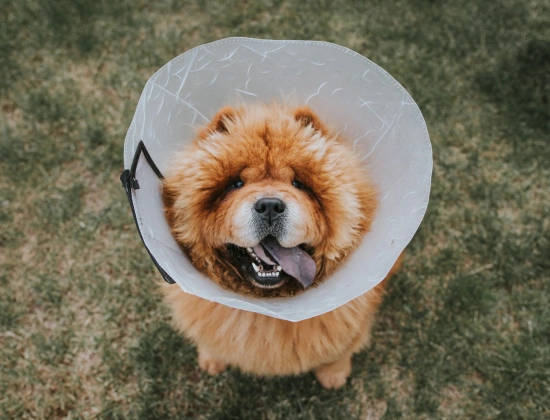
Many surgeries use absorbable sutures placed beneath the skin, which dissolve on their own and never need to be removed. Other procedures, particularly tumor removals, require visible skin sutures instead, which are typically removed 10 to 14 days after surgery. With either type, keep an eye on the incision for swelling or discharge. Most pets do not lick or chew excessively at the site, but it is worth watching for. Activity should be limited during recovery, and bathing should be avoided for at least 10 days after the procedure.
Pain Management for Cats and Dogs
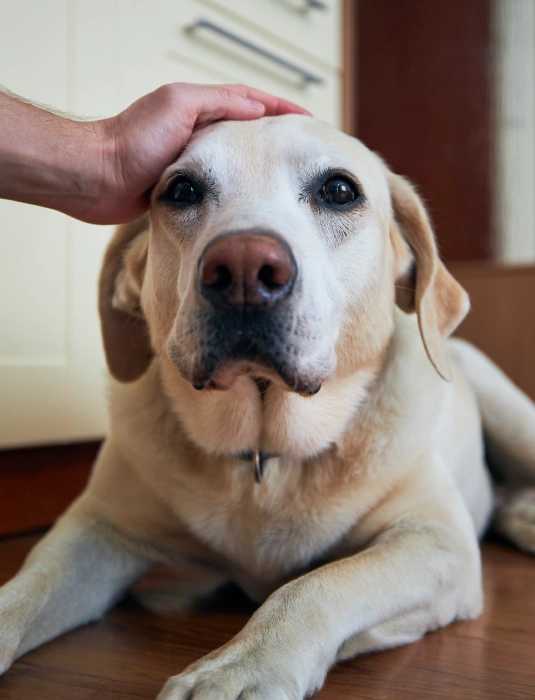
Anything that would cause pain in a person can be expected to cause pain in a pet, even though pets rarely show it the way people do. They typically don't whine or cry, but that doesn't mean they aren't feeling it. How much pain relief is needed depends on the procedure, with major surgeries requiring more support than something like a minor laceration repair.
For dogs, we often recommend an oral anti-inflammatory starting the day after surgery and continuing for several days, using newer medications that are gentler on the stomach and can even be given the morning of the procedure.
For cats, options are more limited, since cats cannot tolerate common pain medications like aspirin, ibuprofen or Tylenol. Advances in feline pain management have made a real difference here, and pain medication is given on a case-by-case basis, with any pet showing discomfort receiving additional relief.
Narcotic patches are sometimes used for certain surgeries in dogs, with cost depending on the dog's size, and injectable pain medication may be used after surgery for both cats and dogs. Providing appropriate pain relief is simply part of caring for a recovering patient well.
Additional Procedures While Under Anesthesia
Since your pet is already under anesthesia, surgery day is often a convenient time to handle other minor procedures at the same visit, such as a dental cleaning, ear cleaning or microchip placement. Call ahead if you would like an estimate for any of these extras, especially if the person dropping off your pet is not the primary decision-maker for their care.
What to Expect on Surgery Day
Plan for about 5 to 10 minutes at drop-off to complete paperwork and make decisions about bloodwork and any additional services. We will call the evening before to confirm your pet's drop-off time and answer any last questions. At pickup, plan for roughly 10 minutes to go over home care instructions, so you leave with a clear plan for your pet's recovery. If any questions come up before then, don't hesitate to call.
Ready to Schedule Your Pet’s Surgery?
We are always happy to talk through what to expect before your pet's procedure. Schedule a surgical consultation with Warwick Animal Hospital today.