12001 N MacArthur Blvd., Oklahoma City, OK 73162

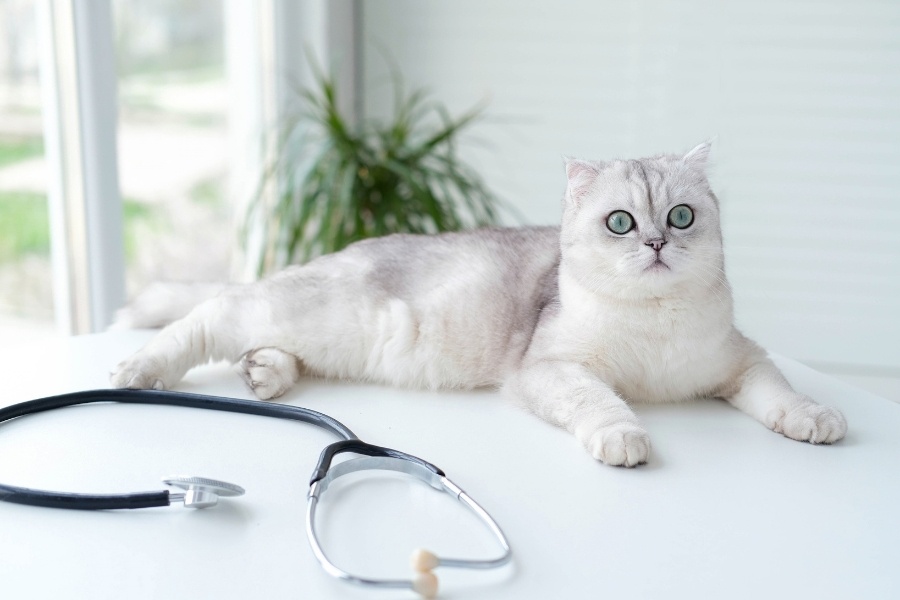
A pet that continues to vomit, develops repeated ear problems, loses weight, or seems unusually tired may be dealing with an underlying health concern. Some conditions can cause mild or recurring symptoms that are easy to overlook, especially when a pet continues to eat, play, or behave normally between episodes.
For pet owners in Oklahoma City, OK, knowing when recurring changes in a pet’s health require veterinary attention can help identify potential problems sooner. Digestive disorders, infections, parasites, inflammation, and other conditions can cause similar symptoms, so a veterinary evaluation may be helpful when signs persist or keep returning.
Pet diagnostic care can provide valuable insight when the cause of a pet’s symptoms is not immediately clear. Depending on the situation, diagnostic testing may include bloodwork, urinalysis, cytology, parasite testing, digital X-rays, ultrasound, or other evaluations. The recommended tests will depend on the pet’s symptoms, medical history, physical examination, age, and overall health.
Why Do Persistent Pet Symptoms Need Diagnostic Testing?
Persistent or recurring symptoms may indicate that an underlying problem needs further evaluation. While a physical examination can reveal important clues, some conditions cannot be identified through an examination alone.
Diagnostic testing helps provide a clearer picture of your pet’s health. For example, bloodwork may reveal changes associated with inflammation or organ function, while imaging can help veterinarians evaluate structures inside the body.
Testing does not necessarily mean your pet has a serious condition. Instead, it gives the veterinary team more information to determine what may be contributing to the symptoms and what type of care may be appropriate.
What Types of Diagnostic Tests May Be Recommended?
Different tests provide different information, so your veterinarian may recommend one test or several depending on the situation.
Bloodwork
Blood tests can provide information about blood cells, inflammation, hydration, and organ function. A complete blood count and chemistry testing may be recommended when a pet has ongoing vomiting, diarrhea, appetite changes, weight loss, lethargy, or other concerning symptoms.
Bloodwork can also be useful as part of routine wellness care, particularly for older pets or animals with known health concerns.
Urinalysis
A urine sample can provide important information about urinary health and kidney function. It may be recommended when a pet is urinating more frequently, drinking more water, having accidents in the house, or showing other urinary changes.
Cytology and Microscopic Testing
Cytology involves examining cells under a microscope and may help evaluate certain skin or ear problems, lumps, or abnormal areas. Microscopic testing can also help identify certain parasites.
For pets with recurring ear or skin issues, these tests can help determine whether organisms such as yeast or bacteria may be contributing to the problem.
X-Rays and Ultrasound
Digital X-rays can help evaluate bones and certain internal structures. They may be recommended for problems such as persistent coughing, abdominal concerns, injuries, or unexplained pain.
Ultrasound provides detailed images of soft tissues and internal organs. It may be useful when a veterinarian needs additional information that cannot be obtained through a physical examination or other tests.
How Can Testing Help With Recurring Symptoms?
Recurring symptoms may require a closer look, particularly when they temporarily improve and then return. Testing can help the veterinary team move beyond treating symptoms alone and investigate possible underlying causes.
For example, a pet with repeated ear infections may benefit from cytology to identify what is present in the ear. A pet with ongoing digestive problems may need bloodwork or imaging based on the veterinarian’s findings.
The goal is to gather useful information and develop an appropriate care plan based on your pet’s individual needs.
When Should You Contact a Veterinarian?
Contact your veterinarian when symptoms persist, repeatedly return, become more severe, or are accompanied by changes in appetite, drinking, weight, energy, urination, or bowel movements.
Some situations require prompt veterinary attention. Difficulty breathing, collapse, seizures, severe bleeding, repeated vomiting, a swollen abdomen, suspected toxin ingestion, or difficulty urinating can require urgent or emergency care.
Keeping notes about when symptoms started, how often they occur, changes in eating or drinking, and anything unusual your pet may have eaten can help your veterinarian understand the situation.
Persistent symptoms can be frustrating and concerning, especially when the cause is not immediately obvious. Diagnostic testing can give veterinarians valuable information that supports a more informed evaluation of your pet’s health.
If your dog or cat has ongoing or recurring symptoms, schedule an appointment with Warwick Animal Hospital to discuss your concerns and determine whether diagnostic testing may be appropriate. Early veterinary evaluation can help you better understand changes in your pet’s health and make informed decisions about their care.
Frequently Asked Questions
Q1. What can diagnostic testing reveal in a sick pet?
Ans: Diagnostic testing can provide information about blood cell changes, inflammation, organ function, infections, parasites, urinary problems, and abnormalities involving internal organs or tissues. The appropriate tests depend on the symptoms and examination findings.
Q2. Does every pet with persistent symptoms need multiple tests?
Ans: Not necessarily. Some pets may need only one diagnostic test, while others may require several. Your veterinarian will recommend testing based on your pet’s individual symptoms, history, and physical examination.
Q3. Can diagnostic testing detect health problems before symptoms appear?
Ans: Some tests can identify changes that may not yet be producing obvious symptoms. This is one reason routine wellness testing may be recommended for certain pets, particularly senior animals or pets with specific health risks.
Q4. What diagnostic services does Warwick Animal Hospital offer?
Ans: Warwick Animal Hospital provides diagnostic services for dogs and cats, which may include laboratory testing and diagnostic imaging. The veterinary team can determine which tests may be appropriate based on your pet’s condition.
Q5. Can Warwick Animal Hospital perform diagnostic testing in the hospital?
Ans: Many diagnostic services can be performed in-house, allowing the veterinary team to obtain useful information during the evaluation. The availability and timing of results depend on the specific test required.
Q6. When should I schedule a diagnostic evaluation at Warwick Animal Hospital?
Ans: Consider contacting the hospital if your pet has persistent, recurring, or unexplained symptoms. The veterinary team can evaluate your pet and determine whether diagnostic testing or additional care may be appropriate.