12001 N MacArthur Blvd., Oklahoma City, OK 73162

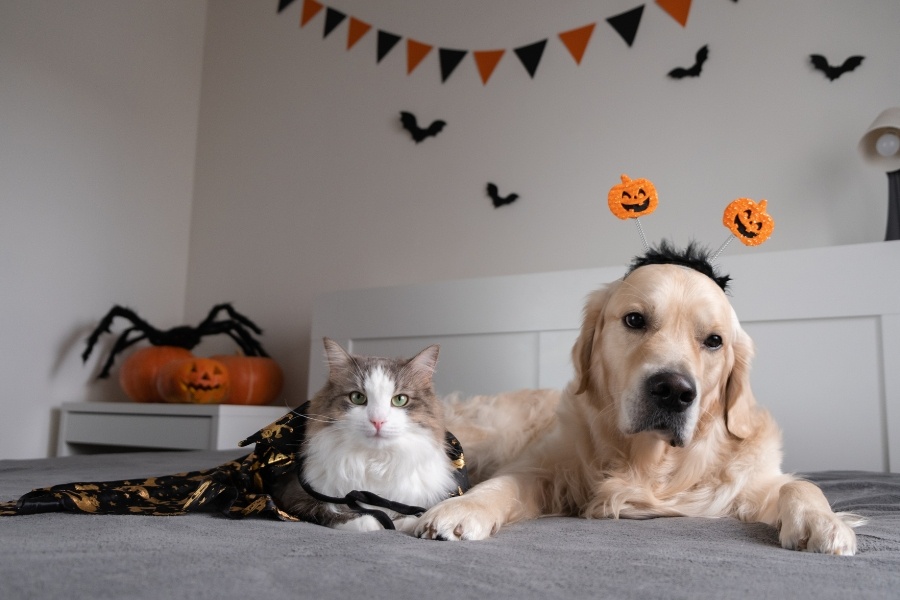
Halloween brings costumes, candy, decorations, and a steady stream of visitors to the front door. While these traditions can be fun for families, they can also create unexpected problems for dogs and cats. A dropped piece of chocolate, a flickering decoration, or an open door can put a curious or nervous pet at risk.
Warwick Animal Hospital helps pet owners make informed decisions about their animals’ health and well-being. For families in Oklahoma City, OK, preparing for Halloween means thinking beyond costumes and treats to include your pet’s comfort, surroundings, and everyday safety.
If you are searching for a veterinarian near you, knowing how to prevent common holiday hazards is a useful starting point. With a little preparation, you can help your dog or cat enjoy a calmer, safer Halloween without exposing them to unnecessary risks.
1. Keep Halloween Candy Away From Pets
Chocolate is dangerous for dogs and cats because it contains theobromine and caffeine. Dark chocolate, baking chocolate, and cocoa powder generally pose greater risks than milk chocolate. Sugar-free candies and gum may contain xylitol, which can cause a dangerous drop in blood sugar in dogs. Raisins and alcohol-containing treats can also be harmful.
Store candy in closed cabinets and keep trick-or-treat bags off the floor. Remind children and guests not to share sweets with pets, even if they seem interested.
If your pet eats a potentially toxic food, contact a veterinarian promptly. Do not wait for symptoms or try to induce vomiting unless a veterinary professional directs you to do so.
2. Make Decorations Pet-Safe
Dogs and cats often investigate unfamiliar objects with their mouths or paws. Fake cobwebs, plastic decorations, loose ribbons, and small props may cause choking or intestinal blockages if swallowed. Chewed electrical cords can cause injuries, while candles and open flames create burn and fire risks.
Choose sturdy decorations, secure cords, and keep small objects out of reach. Consider battery-operated lights instead of open flames, but make sure batteries cannot be accessed or swallowed.
Check the floor regularly for dropped wrappers, broken decorations, and other items that curious pets might eat.
3. Prevent Pets From Escaping When Guests Arrive
Repeated doorbell rings and unfamiliar visitors can excite or frighten pets. Even an animal that usually stays close to its family may dash outside when the front door opens.
Before trick-or-treaters arrive, place your pet in a secure room away from the entrance. Provide familiar bedding, fresh water, and a favorite toy. Make sure your pet wears identification, and check that microchip registration details are current.
For dogs that need to go outside, use a secure leash and supervise them closely. Keeping cats indoors during Halloween can help protect them from traffic, unfamiliar activity, and accidental escape.
4. Reduce Stress From Costumes and Visitors
Not every pet enjoys meeting strangers or seeing people dressed in unusual costumes. Dogs may bark, pace, pant, or hide, while cats may flatten their ears, crouch, hiss, or retreat.
Let your pet choose whether to interact with guests. Ask visitors not to chase, crowd, or pick up an uncomfortable animal. Children should also learn to respect a pet’s need for space.
If you dress your pet in a Halloween costume, make sure it does not restrict breathing, movement, hearing, or vision. Remove it if your pet appears uncomfortable, and never leave a costumed pet unsupervised around loose fabric or small accessories.
5. Watch for Outdoor Hazards
Outdoor pets can encounter discarded candy, unfamiliar people, increased traffic, and unsecured gates. Even familiar surroundings may feel different during a busy Halloween evening.
Whenever possible, bring outdoor pets inside during peak trick-or-treating hours. Check fences and gates, supervise bathroom breaks, and avoid leaving pets tied near the front entrance.
Reflective collars or harnesses can improve visibility during walks, but they do not replace a leash and attentive supervision.
6. Know When Your Pet Needs Veterinary Attention
Contact a veterinarian promptly if your pet may have swallowed chocolate, xylitol-containing candy, a battery, or another potentially dangerous object. The risk depends on the substance, amount, and animal involved, so do not assume your pet is safe simply because no symptoms have appeared.
Difficulty breathing, collapse, seizures, or severe weakness require emergency veterinary attention. Repeated vomiting, unusual lethargy, or signs of abdominal pain also warrant prompt evaluation.
If possible, keep the product packaging and note what your pet may have eaten and when. Do not give human medications or attempt home treatments without veterinary guidance.
A safe Halloween starts with a few simple habits: secure candy, choose pet-safe decorations, prevent escapes, and give nervous animals a quiet place to relax. Paying attention to your pet’s behavior can help you spot problems before they become more serious.
If you have questions about your pet’s health, behavior, or holiday safety, schedule an appointment with Warwick Animal Hospital to discuss your concerns and determine appropriate next steps.
Frequently Asked Questions
Q1. Should I take my dog trick-or-treating with my family?
Ans: It depends on your dog’s temperament and comfort around crowds, costumes, and noise. If your dog becomes anxious or easily distracted, staying home in a familiar environment may be the safer option.
Q2. Are Halloween decorations dangerous if my pet only chews them occasionally?
Ans: They can be. Swallowed materials may cause choking or intestinal blockages, and electrical cords can cause injuries. Keep decorations out of reach and contact a veterinarian if you suspect your pet has swallowed a hazardous object.
Q3. How can I help my cat stay calm during Halloween celebrations?
Ans: Prepare a quiet room with water, bedding, a litter box, and hiding places. Keep your cat away from the busy entrance and allow them to rest without forcing interaction with visitors.
Q4. How can Warwick Animal Hospital help when a pet’s behavior changes suddenly?
Ans: A sudden behavior change may reflect stress, pain, or an underlying medical concern. Warwick Animal Hospital can evaluate your pet’s health and help determine appropriate next steps based on the symptoms and examination findings.
Q5. Why are diagnostic services helpful when Halloween-related symptoms appear?
Ans: Symptoms such as vomiting, weakness, or unusual behavior can have different causes. Diagnostic testing, when indicated by a veterinarian, may help identify the underlying problem and guide treatment decisions.
Q6. What should Oklahoma City pet owners tell Warwick Animal Hospital after a possible Halloween poisoning?
Ans: Share what your pet may have eaten, the estimated amount, when it happened, and any symptoms you have noticed. Bring the product packaging or ingredient label if available. If poisoning is suspected, seek veterinary guidance immediately rather than waiting for a scheduled appointment.