12001 N MacArthur Blvd., Oklahoma City, OK 73162

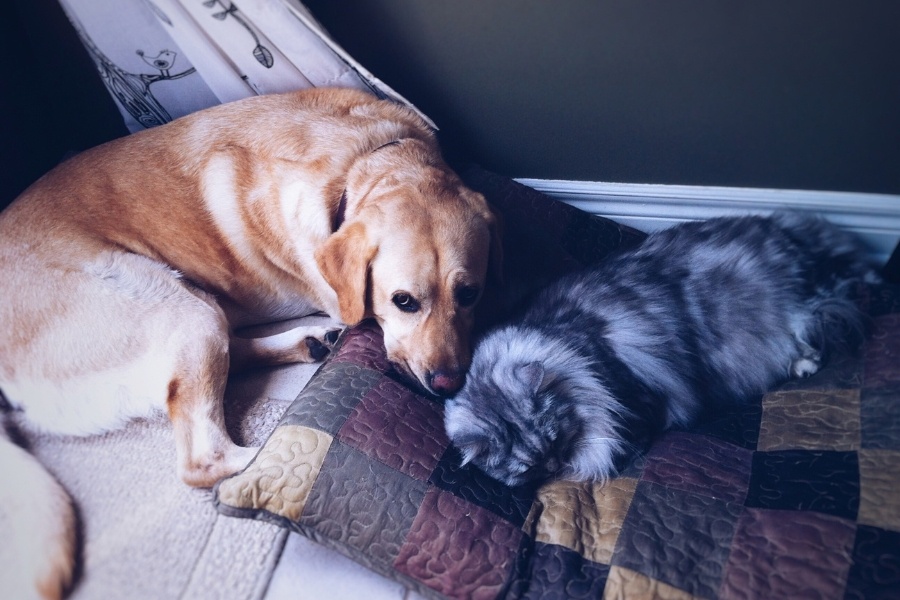
Pets are naturally curious, and a quick moment can be enough for a dog or cat to swallow something they should not. Chocolate, medications, household cleaners, certain foods, plants, and other everyday items can potentially cause serious health problems.
If your pet has eaten something dangerous, do not wait for symptoms to appear before seeking guidance. Warwick Animal Hospital can help pet owners understand when a possible toxic ingestion may require prompt veterinary attention. The safest first step is to remove your pet from the substance, identify what was eaten, and contact a veterinarian or pet poison control service for advice. Some toxins can cause delayed symptoms, so a pet that looks normal may still need evaluation.
What Should You Do If Your Pet Eats Something Dangerous?
Start by preventing your pet from eating any more of the substance. Then determine what your pet may have swallowed, approximately how much, and when the ingestion happened.
Keep the original package, label, medication bottle, plant sample, or other identifying information available. Your veterinarian may need details such as the ingredients, estimated amount consumed, your pet’s weight, and any symptoms that have developed.
If you are in Oklahoma City and your pet has potentially ingested a harmful substance, contacting a veterinary professional promptly can help determine whether your pet needs immediate care, monitoring, or further evaluation.
What Are Common Dangerous Things Pets Eat?
Many potentially harmful substances are found in places pets can easily access. Examples include:
- Chocolate and caffeine-containing products
- Human medications
- Certain sugar-free products containing xylitol
- Grapes and raisins
- Onions and garlic
- Household cleaning products
- Some plants and garden products
- Automotive fluids and chemicals
- Certain foods containing ingredients that are unsafe for pets
The potential risk depends on the substance, amount consumed, species, size, age, and overall health of the pet.
Should You Make Your Pet Vomit?
No, not unless a veterinarian or veterinary poison-control professional specifically tells you to do so.
Trying to make a pet vomit without professional guidance can sometimes cause additional injury. Certain substances can damage the esophagus when brought back up, while other materials may be inhaled into the lungs.
Avoid relying on home remedies or internet instructions. Instead, contact your veterinarian or a pet poison-control service and provide details about what your pet consumed. A professional can help determine the safest next step.
What Information Should You Give the Veterinarian?
Having accurate information ready can make the situation easier to assess. Try to provide:
- Your pet’s species, approximate weight, and age
- The name of the substance or product
- The ingredient list or active ingredient, if available
- An estimate of how much may have been swallowed
- Approximately when the ingestion occurred
- Any symptoms you have noticed
- Packaging, medication containers, or photographs of the substance
If your pet needs to be examined, bring the relevant packaging with you whenever possible.
[urgent pet care] can provide an important resource when your pet develops concerning symptoms or may need prompt veterinary evaluation.
When Should You Seek Urgent Veterinary Care?
Some signs require immediate veterinary attention. Seek veterinary care promptly if your pet has trouble breathing, experiences seizures, becomes unconscious or unresponsive, has significant bleeding, or is rapidly deteriorating.
Other symptoms, including vomiting, diarrhea, weakness, unusual behavior, loss of appetite, excessive drooling, tremors, or changes in coordination, may also require prompt veterinary advice depending on what your pet consumed.
Even when symptoms seem mild—or are not present—it is wise to seek professional guidance after a potentially toxic ingestion. Some problems may take time to become noticeable.
How Can You Prevent Accidental Poisoning?
Prevention starts with making potentially dangerous items difficult for pets to reach. Keep medications, cleaning supplies, chemicals, toxic foods, and other hazardous products in secure cabinets or containers.
Do not leave food, medication, or household products unattended on countertops or floors. Be especially careful when guests are visiting, during home projects, and when using new cleaning or lawn-care products.
Learning which foods, plants, medications, and household substances can be dangerous to dogs and cats can also help you respond quickly if an accident occurs.
A pet eating something dangerous can be stressful, but taking the right steps can help protect your companion. Remove access to the substance, save the packaging or other identifying information, avoid unapproved home treatments, and seek professional veterinary guidance promptly.
Recognizing concerning symptoms and knowing when to seek veterinary attention can also help you respond more confidently during an unexpected situation.
For questions about your pet’s health or a possible harmful ingestion, call us at 405-722-7717 for veterinary guidance.
Schedule an appointment with Warwick Animal Hospital if your pet has swallowed something concerning or is showing unusual symptoms. If your pet has severe or rapidly worsening symptoms, seek urgent veterinary care immediately.
Frequently Asked Questions
1. What should I do if my pet eats something toxic but seems fine?
Contact a veterinarian or pet poison-control service rather than waiting for symptoms. Some potentially harmful exposures may not cause immediate signs, and early guidance can help determine the appropriate next step.
2. Should I give my pet milk or another home remedy after poisoning?
Do not give your pet a home remedy unless a veterinary professional specifically recommends it. The appropriate response depends on what was consumed, how much was eaten, and your pet’s condition.
3. What should I bring to the veterinary hospital after my pet eats something dangerous?
Bring the product packaging, medication container, plant identification, or other information that can help identify the substance. If possible, provide an estimate of the amount consumed and when the ingestion occurred.
4. Does Warwick Animal Hospital provide urgent pet care in Oklahoma City?
Warwick Animal Hospital provides veterinary care for dogs and cats in Oklahoma City, including support for pets that may need prompt veterinary attention. If your pet has eaten something potentially dangerous, contacting the veterinary team can help determine the appropriate next step.
5. When should I contact Warwick Animal Hospital about a possible poisoning?
Contact the veterinary team as soon as possible if your pet may have swallowed a potentially harmful substance, particularly if symptoms such as vomiting, weakness, unusual behavior, tremors, breathing difficulty, or seizures develop.
6. Can Warwick Animal Hospital help with other urgent pet health concerns?
Yes. Veterinary evaluation may be appropriate for pets experiencing sudden or concerning health changes. Warwick Animal Hospital can help assess your pet and determine what type of veterinary care may be needed.