12001 N MacArthur Blvd., Oklahoma City, OK 73162

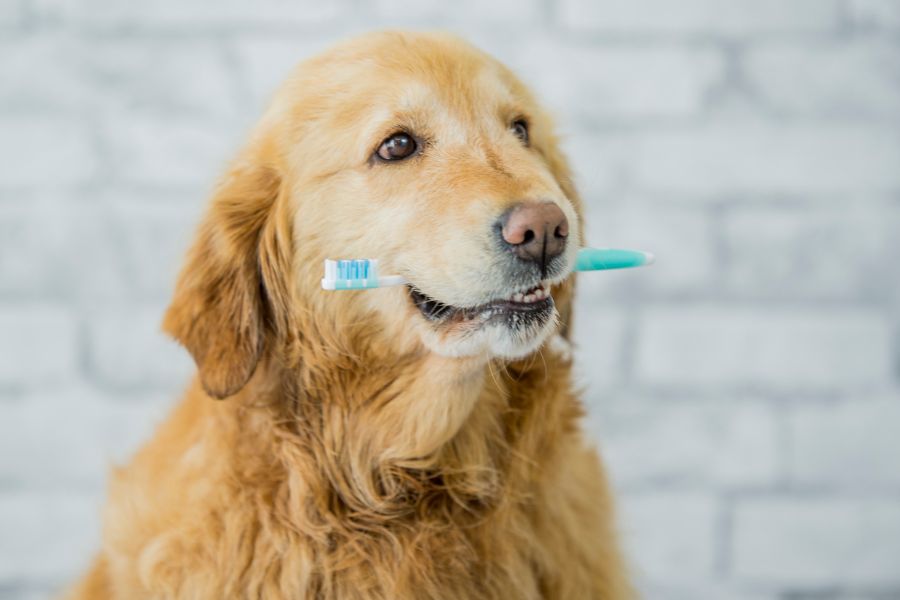
A little pet breath is easy to dismiss, especially when your dog or cat otherwise seems happy and healthy. But persistent bad breath can be more than an unpleasant smell. It may be an early sign of plaque buildup, gum inflammation, a damaged tooth, or another oral health problem that deserves attention.
For pet owners in Oklahoma City, regular veterinary examinations can help identify dental changes before they become more difficult to manage. Dogs and cats often hide signs of oral discomfort, so changes may be subtle even when a dental problem is developing.
Pet dental care involves more than dealing with bad breath after it appears. Routine oral examinations, professional dental care when recommended, and appropriate home care can all help protect your pet’s teeth and gums.
Is Bad Breath Normal for Dogs and Cats?
Persistent bad breath is not something you should simply assume is normal. A noticeable change in your pet’s breath can be associated with plaque, tartar, gum disease, damaged teeth, or other oral health concerns.
Dental problems can develop gradually. Your pet may continue eating, playing, and behaving normally even while inflammation is developing around the teeth and gums. That is one reason regular veterinary examinations are useful.
What Can Your Pet’s Teeth Tell You?
Your pet’s mouth can provide important clues about their overall oral health. Look for changes such as:
- Yellow or brown buildup on the teeth
- Red or swollen gums
- Bleeding around the gumline
- Loose, broken, or damaged teeth
- Excessive drooling
- Difficulty chewing
- Dropping food while eating
- Pawing at the mouth
- Changes in eating habits
- Persistent or worsening bad breath
These signs do not identify a specific condition on their own. A veterinarian should evaluate your pet’s mouth to determine what may be causing the changes.
Why Can Dental Problems Be Easy to Miss?
Dogs and cats may not always show obvious signs of oral pain. Some pets continue eating even when their mouth is uncomfortable. Others may simply become less interested in chewing hard food or toys.
Because pets can compensate for discomfort, a normal appetite does not necessarily mean their teeth and gums are healthy. Regular oral examinations can help identify concerns that may not be obvious at home.
How Do Dental Problems Develop?
Plaque is a sticky film of bacteria that can accumulate on teeth. If it is not adequately removed, it can harden into tartar. Tartar can contribute to irritation and inflammation along the gumline.
As dental disease progresses, the tissues surrounding the teeth may become increasingly affected. Some problems can also develop below the gumline, where they are difficult to see during a quick look at home.
This is why professional veterinary dental care can be an important part of maintaining your pet’s oral health.
How Can You Protect Your Pet’s Teeth?
The best approach combines regular veterinary care with appropriate dental care at home.
Brush Your Pet’s Teeth
Regular brushing can help reduce plaque accumulation. Introduce brushing gradually and use toothpaste specifically formulated for pets. Human toothpaste should not be used because some ingredients may be unsafe for animals to swallow.
Your veterinarian can recommend suitable dental products and help you develop a routine that fits your pet.
Schedule Routine Oral Examinations
Your veterinarian can examine the teeth, gums, and other structures in your pet’s mouth during routine care. These examinations may identify inflammation, damaged teeth, abnormal growths, or other concerns that need further evaluation.
Consider Professional Dental Cleaning
Some pets need professional dental cleaning when plaque and tartar have accumulated or when oral disease requires closer evaluation. Depending on your pet’s condition, dental X-rays may also be recommended to identify problems below the gumline.
Professional treatment should be based on your pet’s individual needs rather than simply how clean the teeth appear from the outside.
Can Dental Health Affect Overall Well-Being?
Yes. Oral disease can cause inflammation and discomfort and may affect your pet’s ability to chew comfortably. Maintaining healthy teeth and gums is therefore part of comprehensive veterinary care.
Dental care is particularly worth discussing as pets age. Older dogs and cats may have had more time to develop accumulated dental problems, making regular oral assessments an important part of senior pet care.
When Should You Contact a Veterinarian?
Schedule a veterinary examination if your pet has persistent bad breath, red or bleeding gums, visible tartar, a damaged tooth, facial swelling, difficulty chewing, excessive drooling, or changes in eating behavior.
More urgent veterinary attention may be appropriate if your pet has significant facial swelling, severe oral pain, heavy bleeding, difficulty breathing, or suddenly cannot eat or drink normally.
Rather than trying to determine the cause of bad breath yourself, have your pet evaluated if the problem persists or is accompanied by other changes.
Bad breath can be an early clue that something is happening inside your pet’s mouth. Regular oral examinations, appropriate home dental care, and professional treatment when recommended can help protect the teeth and gums while allowing potential problems to be addressed appropriately. Warwick Animal Hospital can help evaluate your pet’s oral health and recommend care based on their individual needs.
If you’ve noticed persistent bad breath or changes in your pet’s teeth, gums, or eating habits, schedule an appointment to have their oral health evaluated and discuss the right dental care routine for them.
Frequently Asked Questions
Q1. How often should my pet have their teeth checked?
Ans: Your veterinarian can recommend an examination schedule based on your pet’s age, dental history, overall health, and individual risk factors. Oral health can be assessed as part of routine veterinary care.
Q2. Is bad breath always a sign of dental disease?
Ans: Not necessarily. Bad breath can have different causes, but persistent or unusually strong odor can be associated with oral health problems. A veterinary examination can help determine the cause.
Q3. Can I brush my pet’s teeth at home?
Ans: Yes. Regular brushing with pet-safe toothpaste can help reduce plaque. Introduce brushing gradually and ask your veterinary team which products and techniques are appropriate for your pet.
Q4. Does Warwick Animal Hospital provide dental evaluations for pets?
Ans: A veterinary dental evaluation can help identify changes affecting your pet’s teeth and gums and determine whether home care, professional cleaning, or additional treatment may be appropriate.
Q5. Do older pets need more attention to their dental health?
Ans: Older pets may have accumulated dental problems over time, so regular oral examinations can be especially valuable. Their veterinarian can recommend dental care based on their individual health and needs.
Q6. What should I do if my pet has bad breath and difficulty eating?
Ans: Schedule a veterinary examination. Bad breath combined with difficulty eating may indicate an oral problem or another health concern that needs professional evaluation.