12001 N MacArthur Blvd., Oklahoma City, OK 73162

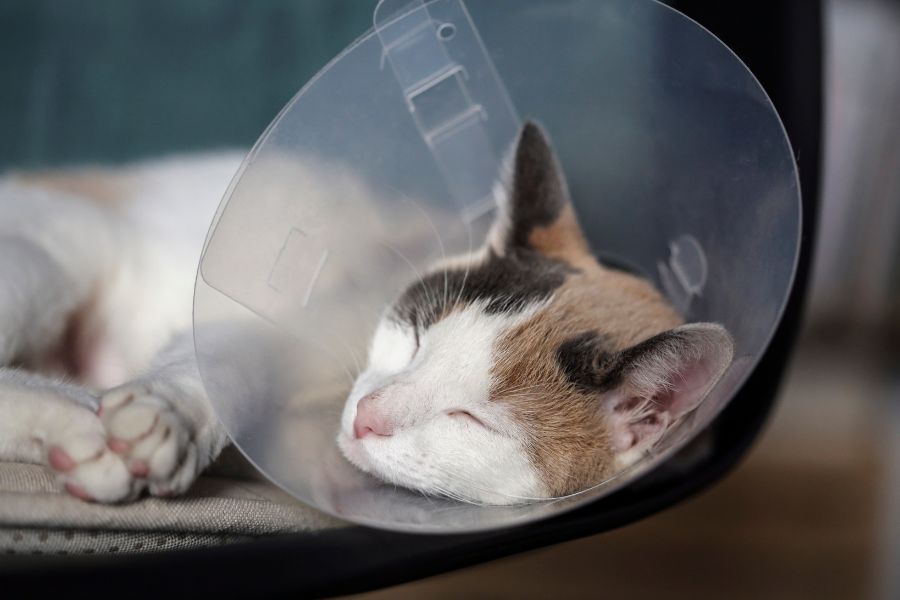
Surgery can be a stressful experience for both pets and their owners. Whether a procedure is planned because of an injury, illness, dental problem, or another health concern, knowing what to expect can make the process feel more manageable. Good preparation also helps you understand how to support your pet before and after the procedure.
For pet owners in Oklahoma City, choosing a veterinary team you trust is an important part of preparing for a surgical procedure. Your veterinarian can explain why surgery is recommended, what the procedure involves, and what you can expect during recovery.
If your pet needs pet surgery, taking time to understand the preparation process can help you make informed decisions. From pre-surgical testing to home care, here are some important things to know before the day of surgery.
Why Does a Pet Need Surgery?
Pet surgery may be recommended for many different reasons. Some procedures are planned in advance, while others may become necessary after an injury or sudden health problem.
Common reasons for veterinary surgery include:
- Removing growths or abnormal tissue
- Repairing certain injuries
- Treating orthopedic conditions
- Addressing gastrointestinal problems
- Correcting some reproductive or urinary conditions
- Treating certain dental or oral problems
Your veterinarian should explain the reason for the procedure and discuss available treatment options when appropriate. Asking questions beforehand can help you understand what the surgery is intended to accomplish.
What Happens Before Pet Surgery?
Before surgery, your veterinarian will typically perform a physical examination and review your pet’s medical history. Depending on your pet’s age, health, and the type of procedure, your veterinarian may also recommend pre-surgical blood work or other diagnostic testing.
These evaluations can provide useful information about your pet’s overall health and help the veterinary team identify concerns that could affect anesthesia or surgery.
What Should You Tell Your Veterinarian?
Make sure the veterinary team knows about:
- Any medications or supplements your pet receives
- Previous reactions to anesthesia or medications
- Existing medical conditions
- Changes in appetite, energy, drinking, urination, or bowel movements
- Any recent illness, vomiting, diarrhea, coughing, or other unusual symptoms
Even seemingly minor changes can be worth mentioning before a procedure.
How Should You Prepare Your Pet at Home?
Your veterinary team will give you specific instructions based on the planned procedure. Follow those instructions carefully rather than relying on general advice found online.
Food and water instructions are especially important because anesthesia may require your pet’s stomach to be empty for a certain period beforehand. Do not change your pet’s feeding schedule or give food, treats, or medications unless your veterinarian tells you to.
You may also want to prepare a quiet, comfortable recovery area at home before surgery. Keeping bedding, water, and other necessities easily accessible can make the first few days easier for your pet.
What Should You Expect on Surgery Day?
On the day of pet surgery in Oklahoma City, the veterinary team will review the procedure and preparation instructions with you. Your pet may undergo another examination before anesthesia, and the team will monitor your pet throughout the procedure and recovery period.
Depending on the surgery, your pet may need to remain at the hospital for observation after the procedure. Your veterinarian will explain when your pet is expected to go home and what care will be necessary afterward.
Do not hesitate to ask questions if any part of the discharge or recovery instructions is unclear.
What Does Recovery Usually Involve?
Recovery varies depending on the procedure, your pet’s age and health, and other individual factors. Some pets may return home the same day, while others may require additional monitoring.
At home, you may need to:
- Restrict running, jumping, or strenuous activity
- Give prescribed medications exactly as directed
- Keep an incision clean and protected
- Prevent licking or chewing at the surgical site
- Monitor appetite, behavior, and bathroom habits
- Attend recommended follow-up examinations
Your veterinarian may also recommend an activity restriction period even if your pet seems to feel better quickly. A gradual return to normal activity can help support proper healing.
When Should You Contact a Veterinarian?
Some changes after surgery can be expected, but significant or worsening symptoms should be discussed with your veterinary team. Contact your veterinarian if you notice concerns such as persistent vomiting, difficulty breathing, severe weakness, uncontrolled bleeding, significant swelling, worsening pain, or changes around the incision that appear unusual.
If your pet seems substantially worse rather than gradually improving, seek veterinary guidance promptly. Your veterinarian can determine whether an examination or additional care is needed.
How Can You Prepare for Pet Surgery?
The best preparation starts with understanding the procedure and following your veterinarian’s instructions closely. Ask what the surgery involves, whether testing is recommended, what restrictions will be necessary, which medications your pet may receive, and what signs should prompt a follow-up call.
Preparing for pet surgery does not have to feel overwhelming. Understanding the procedure, following pre-surgical instructions, preparing your home, and knowing what to watch for during recovery can help you provide better support for your pet. Warwick Animal Hospital can help pet owners understand their pet’s surgical needs and the care involved before and after a procedure.
If your veterinarian has recommended surgery or you have concerns about a procedure your pet may need, schedule an appointment to discuss your pet’s condition, treatment options, and next steps with the veterinary team.
Frequently Asked Questions
Q1. Should my pet have blood work before surgery?
Ans: Pre-surgical blood work may be recommended based on your pet’s age, health, medical history, and the type of procedure. It can provide useful information about overall health before anesthesia.
Q2. How long does a pet need to recover after surgery?
Ans: Recovery time depends on the type of surgery and your pet’s individual health. Some procedures require only limited activity for a short period, while others may require several weeks of restricted activity.
Q3. How can I keep my pet comfortable after surgery?
Ans: Follow your veterinarian’s medication, feeding, activity, and incision-care instructions. Providing a quiet recovery area and limiting strenuous activity can also help support healing.
Q4. Does Warwick Animal Hospital perform pet surgery?
Ans: Warwick Animal Hospital provides veterinary care for pets who may require surgical evaluation and treatment. The veterinary team can discuss your pet’s specific needs and whether surgery is appropriate.
Q5. Can I ask questions before my pet’s surgery?
Ans: Absolutely. Pet owners should feel comfortable asking about the procedure, anesthesia, preparation, recovery, medications, activity restrictions, and follow-up care before surgery.
Q6. When should I schedule a veterinary appointment about surgery?
Ans: If your pet has been diagnosed with a condition that may require surgery, schedule an appointment to discuss the recommended procedure and treatment options. Prompt veterinary evaluation may also be appropriate when your pet develops concerning symptoms.