12001 N MacArthur Blvd., Oklahoma City, OK 73162

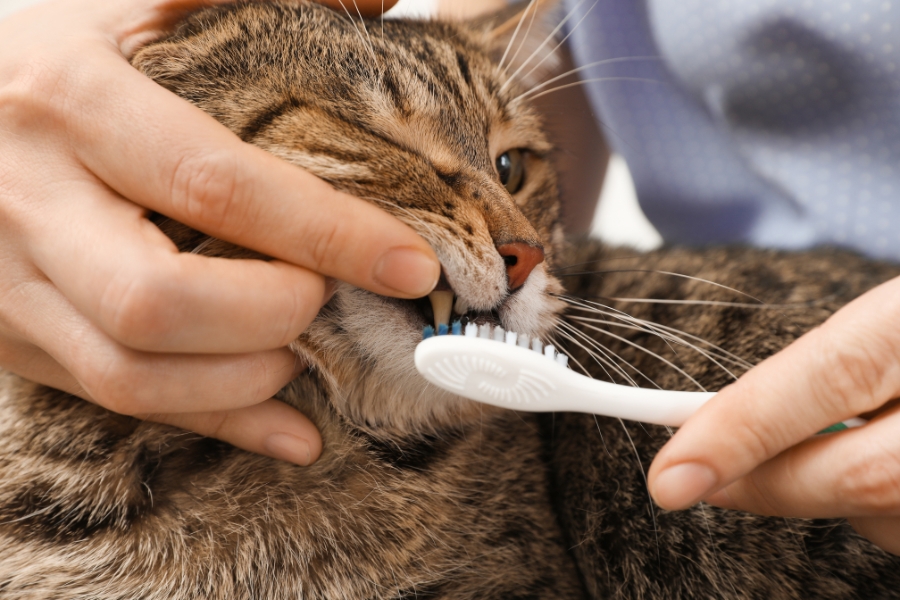
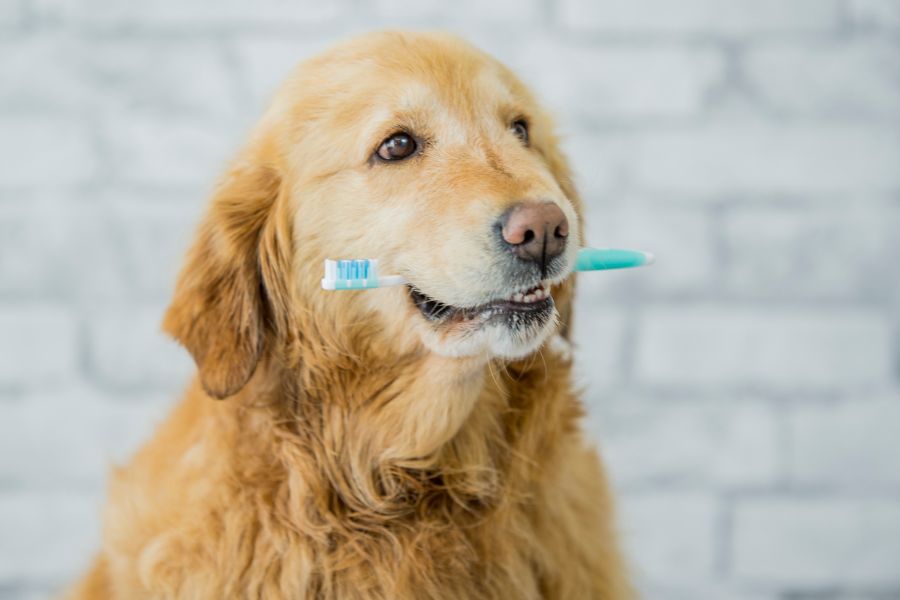
Brushing your pet’s teeth regularly is one of the best ways to support oral health. So, why might a dog or cat still need a professional dental cleaning or other treatment? The answer is that brushing helps control plaque, but it cannot prevent every dental problem or address damage that has already developed.
For pet owners in Oklahoma City, understanding the limits of home dental care can help explain why regular veterinary dental examinations remain important. Even pets with a consistent brushing routine can develop gum disease, damaged teeth, or problems hidden beneath the gumline.
Consistent pet dental care involves more than brushing. It combines home hygiene, routine oral examinations, and professional treatment when a veterinarian identifies a concern.
Why Isn’t Brushing Always Enough to Protect a Pet’s Teeth?
Brushing removes much of the soft plaque that accumulates on teeth each day. However, it may not reach every surface, particularly around crowded teeth and along the gumline. If plaque remains, it can harden into tartar, which cannot be removed with an ordinary toothbrush.
Tartar buildup can irritate the gums and contribute to periodontal disease. As the condition progresses, bacteria and inflammation can affect the tissues supporting the teeth, potentially causing discomfort, loose teeth, and tooth loss.
Even with regular brushing, pets may need professional cleaning to remove hardened deposits and evaluate areas that are difficult to inspect at home.
What Dental Problems Can Develop Despite Regular Brushing?
1. Periodontal Disease Below the Gumline
Periodontal disease can develop in areas that are not easily visible during home brushing. Bacteria may collect beneath the gumline, damaging the tissues and bone that support the teeth.
Early signs can include red or swollen gums, persistent bad breath, and bleeding around the teeth. More advanced disease may cause gum recession, loose teeth, or discomfort while eating.
A professional dental examination helps assess the gums and supporting structures, not just the visible tooth surfaces.
2. Fractured or Damaged Teeth
Brushing cannot prevent every dental injury. Dogs and cats may fracture teeth by chewing hard objects, biting something unexpectedly, or experiencing an accident.
A damaged tooth may expose sensitive inner tissue and become painful or infected. Watch for chewing on one side, dropping food, pawing at the mouth, or avoiding hard treats. Some pets show very few signs, so a veterinary examination is important when a damaged tooth is suspected.
3. Dental Problems Specific to Cats
Cats can develop tooth resorption, a condition in which the structure of a tooth gradually breaks down. It can be painful and may not be obvious during a casual look inside the mouth.
Cats may also develop gum inflammation or other oral conditions despite routine brushing. Drooling, reduced interest in food, chewing differently, or suddenly preferring soft food may indicate a dental concern.
4. Crowded Teeth and Hard-to-Reach Areas
Some pets have crowded or misaligned teeth that make effective brushing difficult. Small dogs, in particular, may have limited space between their teeth, allowing plaque to accumulate in areas that are hard to reach.
A veterinarian can identify areas that need closer attention and recommend a dental care routine suited to the pet’s mouth and individual risk factors.
What Does Professional Dental Treatment Provide?
Professional dental care addresses problems that brushing alone cannot manage. Depending on the examination findings, treatment may involve scaling to remove plaque and tartar, polishing the teeth, dental X-rays, or treatment of damaged and diseased teeth.
At Warwick Animal Hospital, dental procedures are performed under anesthesia so the veterinary team can examine the entire mouth, clean above and below the gumline, and obtain digital dental X-rays. Imaging helps evaluate tooth roots and surrounding bone that cannot be assessed through a surface-level inspection. If a tooth requires additional treatment, the team can discuss the findings and appropriate options with you.
Anesthesia also allows the veterinary team to perform a thorough cleaning without causing the pet unnecessary stress or discomfort. Pre-anesthetic evaluation and testing may be recommended based on the pet’s health and individual needs.
How Can You Make Home Dental Care More Effective?
Professional treatment and daily home care work together. To support your pet’s oral health:
- Brush consistently: Use a soft-bristled pet toothbrush and toothpaste made specifically for dogs or cats. Introduce brushing gradually with positive reinforcement.
- Choose suitable dental products: Ask your veterinarian about dental diets, chews, and products accepted by the Veterinary Oral Health Council (VOHC).
- Avoid excessively hard chews: Bones, antlers, and very hard toys can damage or fracture teeth.
- Check the mouth regularly: Look for changes in gum color, visible tartar, bad breath, or damaged teeth when your pet allows it.
- Keep dental examinations on schedule: Your veterinarian can recommend how often your pet needs an oral health assessment and professional cleaning.
Brushing is still worthwhile, even if your pet needs professional treatment. It helps manage new plaque buildup between veterinary visits.
When Should You Contact a Veterinarian?
Schedule a dental examination if your pet has persistent bad breath, red or bleeding gums, visible tartar, drooling, difficulty chewing, or a sudden change in eating habits. A broken or discolored tooth should also be evaluated.
Facial swelling, significant oral bleeding, severe pain, or an inability to eat warrants prompt veterinary attention. Do not try to scrape tartar off with household tools or give human pain medication.
Regular brushing gives your pet a valuable start toward better oral health, but it cannot remove hardened tartar, examine tooth roots, or treat disease beneath the gums. Professional dental evaluations help identify problems that may otherwise go unnoticed, even when home care is consistent.
For pet owners in Oklahoma City, Warwick Animal Hospital offers dental examinations, professional cleanings, and digital dental X-rays for dogs and cats. If your pet has persistent bad breath, changes in chewing habits, or visible dental buildup, schedule a dental evaluation to discuss the care your companion may need.
Frequently Asked Questions
Q1. Can my pet still develop gum disease if I brush their teeth every day?
Ans: Yes. Brushing helps reduce plaque, but it may not reach every area of the mouth. Plaque that remains can harden into tartar and contribute to gum disease, including problems below the gumline.
Q2. How do I know if my pet needs a professional dental cleaning?
Ans: Persistent bad breath, visible tartar, red or swollen gums, bleeding, and changes in chewing can indicate a need for an examination. Your veterinarian can assess your pet’s oral health and recommend whether a professional cleaning is appropriate.
Q3. Why are dental X-rays needed if my pet’s teeth look clean?
Ans: Some dental problems develop below the gumline and cannot be identified by looking at the visible tooth surfaces alone. Dental X-rays help evaluate tooth roots and surrounding bone for hidden concerns.
Q4. What dental treatments does Warwick Animal Hospital provide?
Ans: Warwick Animal Hospital provides professional dental cleanings, oral examinations, and digital dental X-rays. Depending on the findings, the veterinary team may also discuss additional treatment for damaged or diseased teeth.
Q5. Can Warwick Animal Hospital help me improve my pet’s home dental routine?
Ans: Yes. The veterinary team can discuss brushing techniques and suitable dental products based on your pet’s age, oral health, and individual needs. This guidance can help you maintain oral hygiene between professional dental visits.