12001 N MacArthur Blvd., Oklahoma City, OK 73162

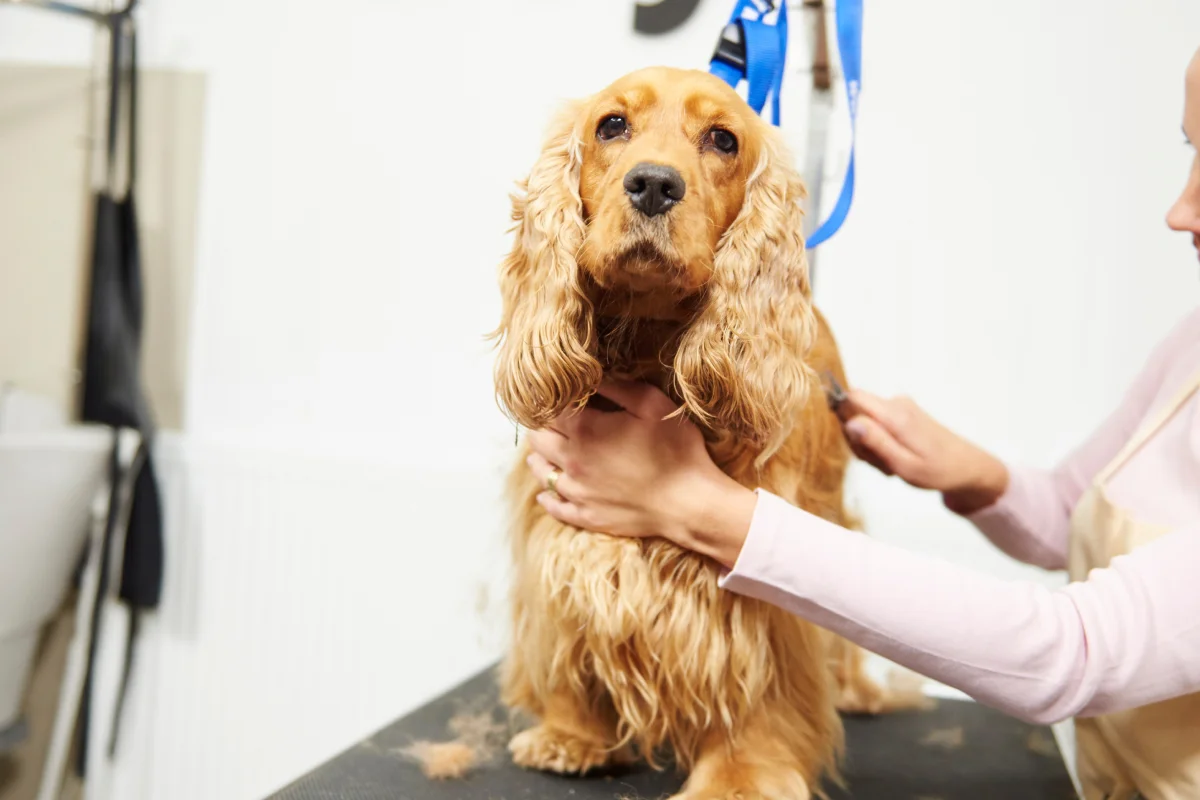
Regular grooming does more than keep pets looking neat. It helps manage loose fur, reduce tangles, maintain comfortable nail length, and keep coats clean. It also gives pet owners an opportunity to notice changes in their pet’s skin, coat, or ears that may need attention.
Every dog and cat has different grooming needs depending on breed, coat type, age, and lifestyle. Warwick Animal Hospital understands that choosing the right grooming routine means considering these individual differences to help pets stay clean and comfortable.
Consistent pet grooming can support your companion’s comfort and cleanliness throughout their life. From regular brushing and nail trimming to bathing and breed-specific cutting, the right approach helps keep your pet’s coat manageable while making routine care an important part of their overall well-being.
How Regular Grooming Benefits Your Pet
1. Keeps the Coat Clean and Manageable
Brushing helps remove loose hair, dirt, and debris while reducing tangles and mats. This is particularly helpful for long-haired pets whose coats can become tangled without regular attention. Mats may pull on the skin and cause discomfort if left untreated.
Regular brushing also lets you check for unusual shedding, flaky skin, or small bumps. If you notice persistent skin changes, your veterinarian can help determine whether further attention is needed.
2. Supports Healthy Skin
Bathing helps remove dirt and buildup from the coat. However, the ideal bathing schedule depends on your pet’s skin, coat, and lifestyle. Bathing too frequently or using unsuitable products may cause irritation, so always choose products designed for pets.
Some animals may need a different bathing approach because of skin sensitivities or other concerns. Professional guidance can help you choose an appropriate routine.
3. Helps Maintain Comfortable Nails
Long nails can make walking uncomfortable and may snag on carpets or other surfaces. Regular nail trimming helps maintain a manageable length and supports comfortable movement.
Nail growth differs between pets, so trimming frequency should depend on how quickly the nails grow and wear down. If your pet resists nail trimming or you are unsure how to do it safely, a professional groomer can help.
4. Encourages Ear Hygiene
Ear cleaning may help remove surface debris when it is appropriate for your pet. During routine care, you may also notice redness, unusual odors, discharge, or frequent scratching.
Not every pet needs regular ear cleaning. If your pet’s ears appear inflamed or painful, contact a veterinarian instead of attempting to treat the problem through grooming alone.
Why Do Different Breeds Need Different Grooming Routines?
Some breeds have different grooming needs, so a routine that works for one pet may not suit another. Breed, coat texture, hair length, shedding patterns, and lifestyle all influence the type and frequency of grooming needed.
Long-haired dogs and cats may require frequent brushing to prevent tangles and mats. Dogs with curly or continuously growing coats may need regular professional cutting and trimming. Short-haired pets generally need less trimming, but brushing can still help remove loose fur and keep their coats clean.
Some breeds also have specific care considerations. Dogs with skin folds may need careful attention to keep those areas clean and dry. Older pets or animals with mobility difficulties may struggle to groom themselves effectively and benefit from additional assistance.
Rather than following a fixed schedule for every pet, consider your companion’s individual needs. If you are unsure which routine is appropriate, professional guidance can help you make an informed choice.
What Does Warwick’s Full-Service Grooming Include?
Warwick Animal Hospital’s full-service groom includes bathing, brushing, nail trimming, ear cleaning, and breed-specific cutting and trimming. These services address several essential aspects of pet care and can help keep your companion clean and comfortable.
The full-service grooming includes:
- Bathing: Helps remove dirt and buildup from the coat.
- Brushing: Helps manage loose fur, tangles, and mats.
- Nail trimming: Helps maintain comfortable nail length.
- Ear cleaning: Supports appropriate ear hygiene when needed.
- Breed-specific cutting and trimming: Helps keep the coat manageable according to the pet’s breed and grooming requirements.
The right grooming approach depends on the coat and the individual animal. Discussing your pet’s needs with the grooming team is a useful first step toward choosing suitable services.
When Should You Seek Grooming Advice?
Changes in your pet’s coat, persistent tangles, overgrown nails, or difficulty maintaining a regular routine may indicate that their grooming needs have changed. Puppies, kittens, senior pets, and animals that are nervous about handling may also need a more gradual or individualized approach.
Not sure how your pet should be groomed? Give Warwick Animal Hospital a call at 405-722-7717! The team can help you understand the available grooming services and discuss options suited to your pet.
If you notice painful areas, persistent itching, irritated skin, or unusual ear discharge, ask your veterinarian whether an examination is appropriate before proceeding with routine grooming.
Make Regular Grooming Part of Your Pet’s Care
Consistent grooming helps manage the coat, maintain nail length, and provide opportunities to notice changes that may need attention. Since every pet is different, the best routine is one that fits their breed, coat, lifestyle, and individual needs.
Warwick Animal Hospital offers full-service grooming to help dogs and cats stay clean and comfortable. If you need help deciding which services are right for your companion, call the team to discuss your options.
Frequently Asked Questions
Q1. How often should I groom my dog or cat?
Ans: Grooming frequency depends on coat type, hair length, shedding, and individual needs. Long-haired pets may need frequent brushing, while short-haired pets may require less maintenance. Nail trimming and bathing schedules should also be adjusted to each animal.
Q2. Can regular grooming help identify potential health concerns?
Ans: Grooming gives owners an opportunity to notice changes such as unusual lumps, skin irritation, excessive shedding, or ear discomfort. These observations do not confirm a medical problem, but they can help you recognize when veterinary advice may be needed.
Q3. Do short-haired pets need professional grooming?
Ans: Short-haired pets still benefit from brushing, nail care, and appropriate bathing. Whether they need a full-service grooming appointment depends on their coat, hygiene needs, lifestyle, and tolerance for at-home care.
Q4. What services are included in Warwick Animal Hospital’s full-service grooming?
Ans: Warwick’s full-service grooming includes bathing, brushing, nail trimming, ear cleaning, and breed-specific cutting and trimming. The appropriate services depend on each pet’s grooming needs.
Q5. How can Warwick Animal Hospital help with breed-specific grooming needs?
Ans: The grooming team can discuss your pet’s coat type and individual requirements to help you understand which grooming services may be appropriate. Different breeds and coat types can require different approaches.
Q6. Why consider a veterinary hospital for my pet’s grooming?
Ans: A veterinary hospital offers grooming alongside access to veterinary care. If a concern such as skin irritation or an unusual lump is noticed during grooming, the team can help determine whether veterinary follow-up may be appropriate.