12001 N MacArthur Blvd., Oklahoma City, OK 73162

Hearing that your dog or cat may need surgery can bring up plenty of questions. What kind of procedure is involved? Why is it necessary? How much recovery time might your pet need? Understanding the different types of veterinary surgery can help you feel more prepared and have a more informed conversation with your veterinarian.
For families in Oklahoma City, knowing what surgical care involves can make it easier to recognize when a pet may need further evaluation. Some procedures address injuries, while others treat internal health problems, remove abnormal growths, or improve mobility.
Understanding the options for pet surgery starts with learning about the main surgical categories and the conditions they may address.
What Are the Different Types of Veterinary Surgery?
Veterinary surgery includes procedures involving a pet’s skin, soft tissues, organs, bones, joints, and mouth. The right approach depends on the medical concern, its severity, and the pet’s overall health.
1. Soft Tissue Surgery
Soft tissue surgery involves structures such as the skin, muscles, abdominal organs, and other tissues that are not part of the bones or joints.
Common examples include:
- Spaying and neutering: Surgical procedures that prevent reproduction and may provide certain health benefits.
- Mass removal: Removing an abnormal lump or growth so it can be examined and, when appropriate, tested.
- Abscess treatment: Draining or removing an infected pocket of tissue when needed.
- Foreign object removal: Removing an object that a pet has swallowed when it cannot pass safely through the digestive tract.
- Abdominal surgery: Examining or treating internal organs when a medical problem requires surgical attention.
Some soft tissue procedures are planned, while others may be needed more urgently. A veterinarian determines the appropriate treatment after examining the pet and reviewing relevant diagnostic results.
2. Orthopedic Surgery
Orthopedic surgery focuses on bones, joints, ligaments, and other structures that support movement. It may be recommended when an injury or structural problem affects a pet’s ability to walk comfortably.
Examples include:
- Fracture repair: Stabilizing a broken bone to support proper healing.
- Cruciate ligament surgery: Addressing damage to a ligament in the knee that can cause pain and joint instability.
- Luxating patella procedures: Treating a kneecap that moves out of its normal position.
- Joint surgery: Addressing certain injuries or conditions that interfere with normal joint function.
Limping, difficulty standing, reluctance to jump, or changes in activity may indicate an orthopedic concern. These signs do not automatically mean surgery is necessary. A veterinarian may use a physical examination and imaging, such as X-rays, to determine the best treatment.
3. Dental and Oral Surgery
Dental surgery addresses problems involving the teeth, gums, and other structures in the mouth. Depending on the condition, treatment may include tooth extraction or surgery to address oral injuries and diseased tissue.
Persistent bad breath, bleeding gums, drooling, difficulty chewing, or avoiding food may indicate a dental problem that needs evaluation. A routine professional dental cleaning is different from oral surgery, and the veterinarian can explain which treatment is appropriate.
What Should You Expect Before and After Pet Surgery?
Preparation, anesthesia, monitoring, and recovery all contribute to a pet’s surgical care. Before a procedure, the veterinary team typically reviews the pet’s medical history and performs a physical examination. Blood work or other diagnostic tests may also be recommended to assess health factors that could affect anesthesia.
During surgery, the veterinary team monitors important vital signs and takes steps to manage pain and maintain body temperature. The specific anesthesia and monitoring plan depends on the pet and the procedure.
After surgery, follow the discharge instructions provided by the veterinary team. Your pet may need:
- Prescribed pain medication or other treatments
- Restricted activity during recovery
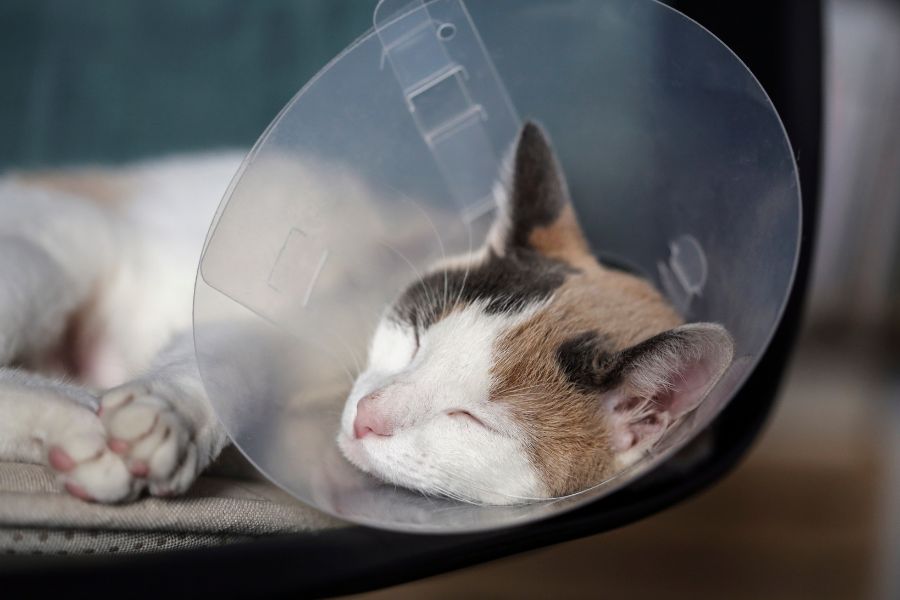
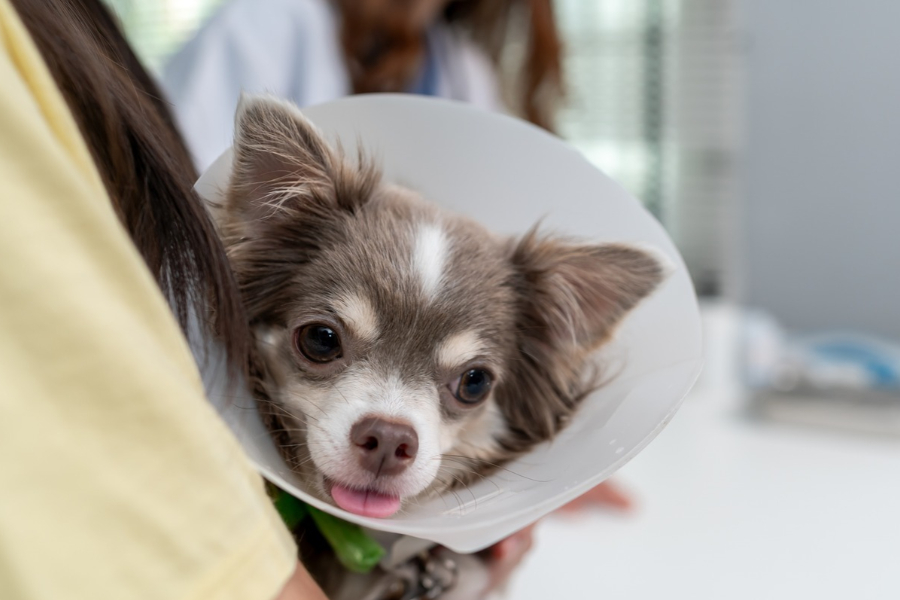
- An appropriate way to prevent licking or chewing at the incision
- Monitoring for swelling, discharge, or changes in behavior
- A follow-up examination or suture removal
Recovery times vary. Even if your pet seems energetic soon after surgery, the tissues may still need time to heal. Follow your veterinarian’s guidance before returning to normal activities.
How Can You Prepare Your Pet for Surgery?
Ask your veterinarian what the procedure is intended to treat, whether other treatment options are available, and what recovery may involve. It is also helpful to discuss potential risks, costs, follow-up visits, and any special care your pet may need at home.
Share information about your pet’s medications, supplements, previous reactions to anesthesia, and recent health changes. Follow the clinic’s instructions about food, water, and medications before surgery rather than making changes on your own.
Preparing a quiet, comfortable resting area can also help your pet recover with fewer disruptions.
When Should You Contact a Veterinarian?
Arrange a veterinary examination if your pet develops persistent limping, difficulty standing, a new or changing lump, ongoing discomfort, or trouble eating and chewing. These signs can have different causes, so an examination is needed to determine whether diagnostic testing or treatment is appropriate.
Some symptoms require urgent attention. Severe bleeding, difficulty breathing, collapse, a swollen abdomen, or suspected ingestion of a dangerous object should not wait for a routine appointment. Seek urgent veterinary care if these situations occur.
Veterinary surgery includes a range of procedures, from soft tissue and orthopedic treatments to dental and oral care. Understanding why surgery may be recommended, how pets are monitored, and what recovery involves can help you make informed decisions about your pet’s health.
Warwick Animal Hospital provides surgical care for dogs and cats in Oklahoma City. If your pet has an injury, persistent discomfort, or a condition that may require surgery, schedule an appointment to discuss the available treatment options with the veterinary team.
Frequently Asked Questions
Q1. Do all pets need surgery when they have an injury?
Ans: No. Some injuries can be managed with medication, rest, or other nonsurgical treatments. Surgery may be recommended when an injury is severe or another treatment approach is unlikely to address the problem adequately.
Q2. How long does a dog or cat take to recover from surgery?
Ans: Recovery depends on the procedure, the pet’s health, and the extent of the condition being treated. Some pets recover within a relatively short period, while orthopedic or more involved procedures may require several weeks of restricted activity.
Q3. Is anesthesia safe for dogs and cats?
Ans: Anesthesia carries risks, but a pre-surgical examination, appropriate testing, an individualized anesthetic plan, and monitoring help the veterinary team manage them. Your veterinarian can discuss the risks relevant to your pet.
Q4. What types of surgical procedures does Warwick Animal Hospital offer?
Ans: Warwick Animal Hospital provides soft tissue and orthopedic surgical care for dogs and cats. The veterinary team can explain which procedures may be appropriate based on a pet’s condition.
Q5. Does Warwick Animal Hospital monitor pets during surgery?
Ans: The hospital’s published surgical information describes monitoring vital signs during procedures and using heating support to help maintain a pet’s body temperature.
Q6. Can Warwick Animal Hospital help with both soft tissue and orthopedic conditions?
Ans: Yes. The hospital provides surgical care for both categories. The appropriate treatment depends on the affected tissues, the diagnosis, and the pet’s overall health.